M&W Foundation · Elevate R&D · EB-OBA-2026-001
A lab the size of a coin.
EB-OBA is a development project for a wearable patch and a coin-size reader, designed to watch blood chemistry without a laboratory. This page is the design story. The device is not cleared and not for sale.
Every blood test most people get is a photograph: one needle, one wait, one number that is already old. Between draws, the potassium climbing overnight or a marker starting to rise is invisible, because nothing is watching.
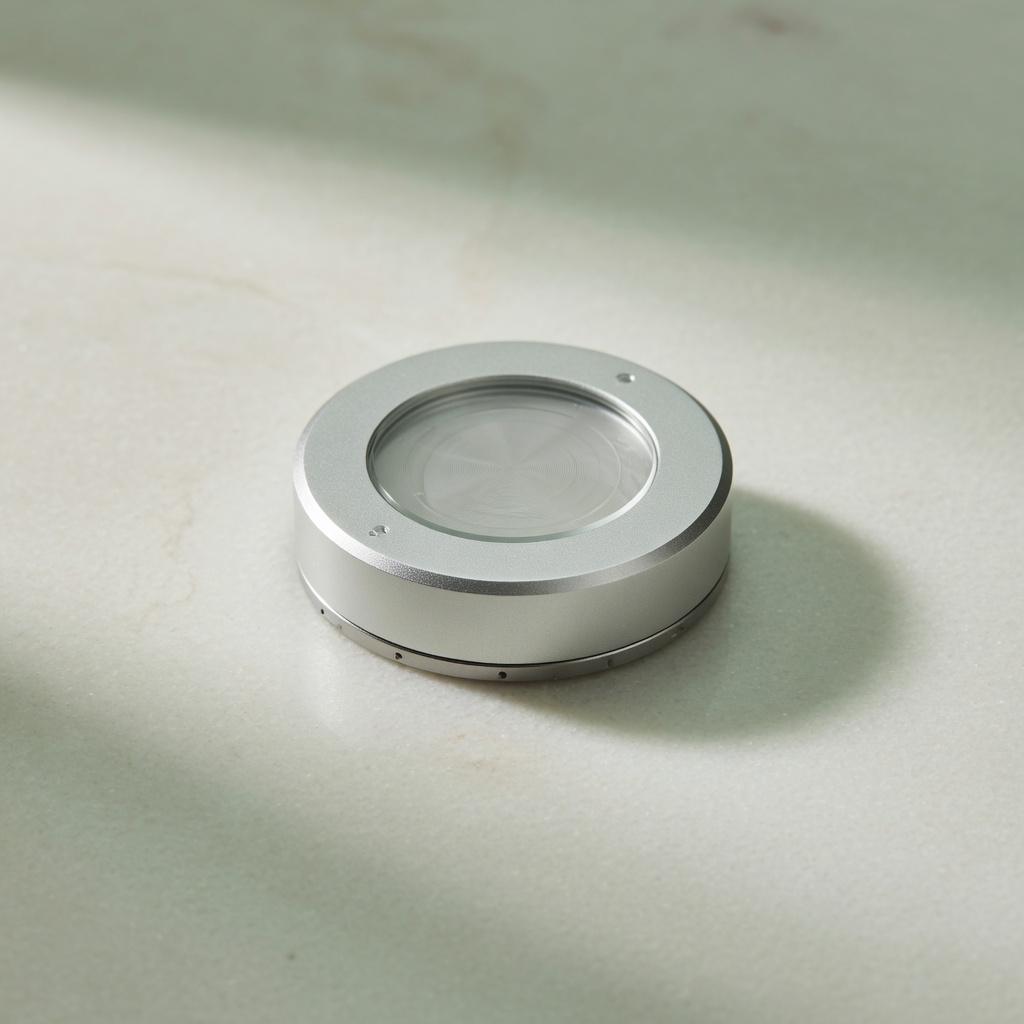
A patch you wear. A coin that reads it.
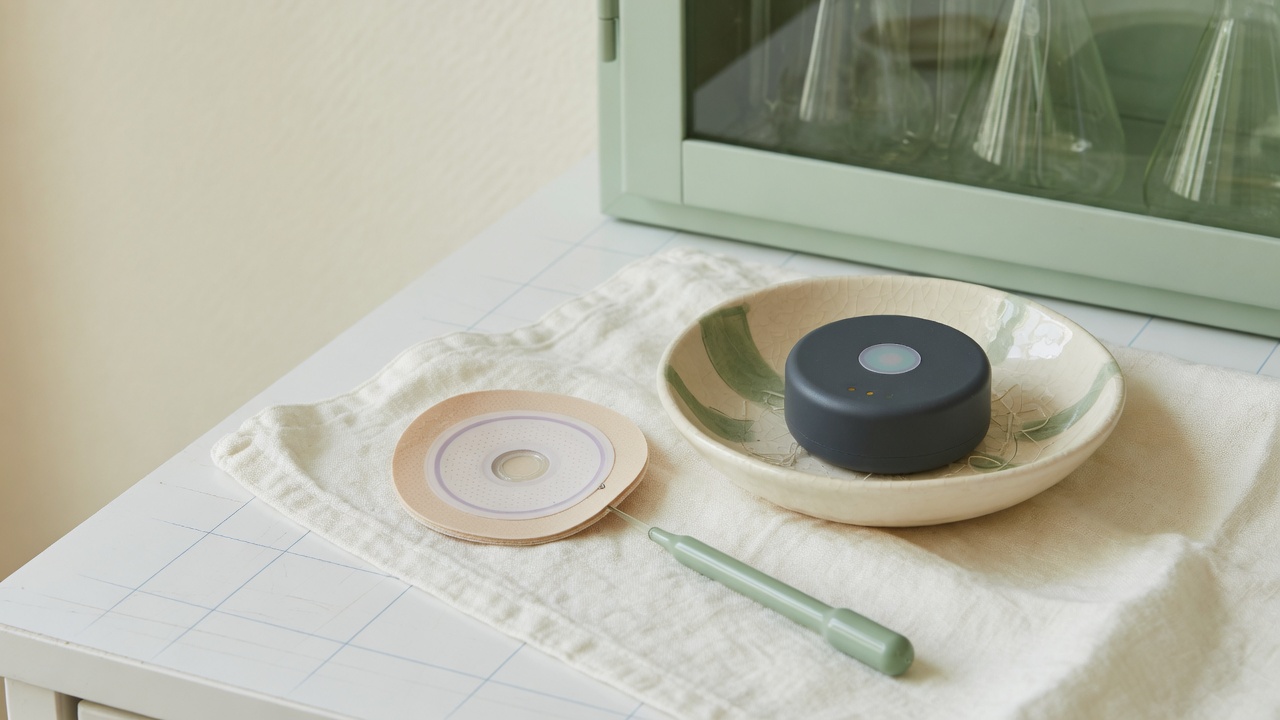
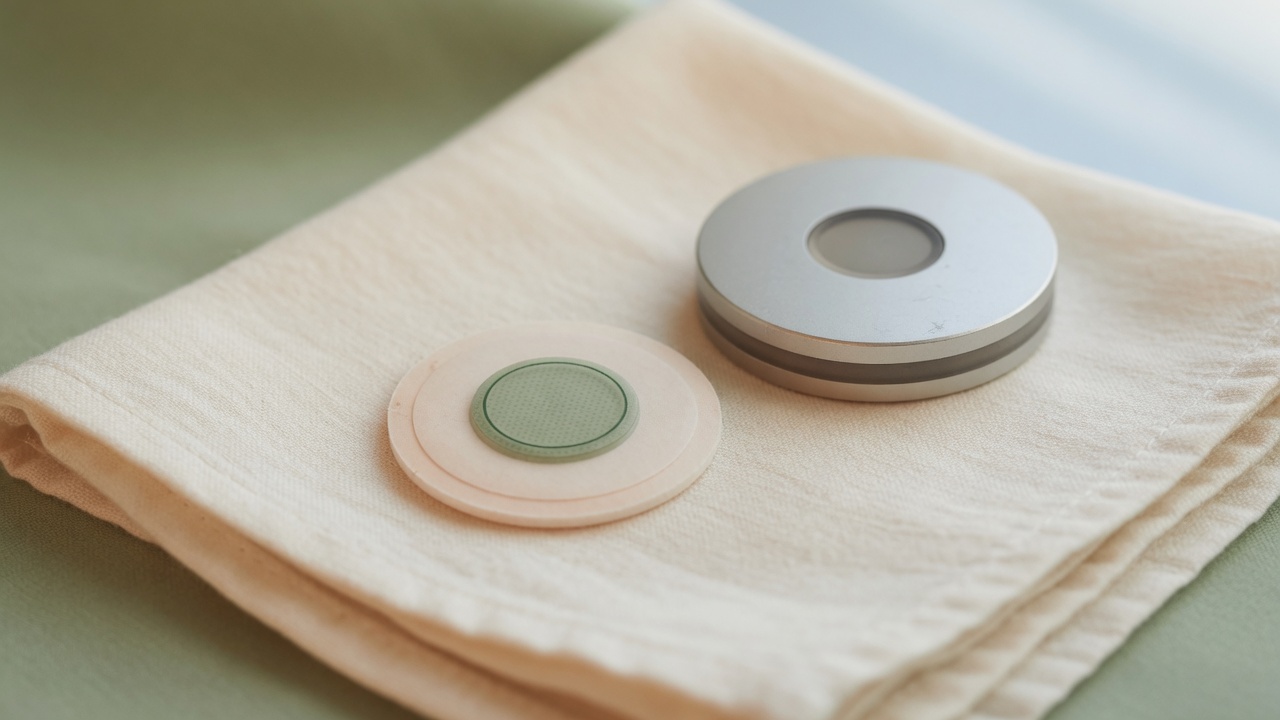
The Rev G brief in knowledge base 42 describes two pieces. One is a disposable patch. The other is a reusable reader puck, about 32 millimeters across and under a centimeter thick, meant to dock on the patch. The design target is a first vital reading in about a minute, chemistry after a short settle, then continuous estimates for roughly 72 hours of wear.
The brief also calls for the system to keep working with no phone signal and no cold chain, so a reading does not depend on a courier or a certified lab in the room.
Chemistry
Designed as continuous estimates after a settle period, not a single mailed-in panel.
Counts and markers
The package outlines a blood-count path and categorical cardiac-marker estimates, with confidence bounds.
Gases and vitals
Oxygen, carbon dioxide trend, heart rate, breathing, and temperature are part of the same design sheet.
Where a lab is not in the building
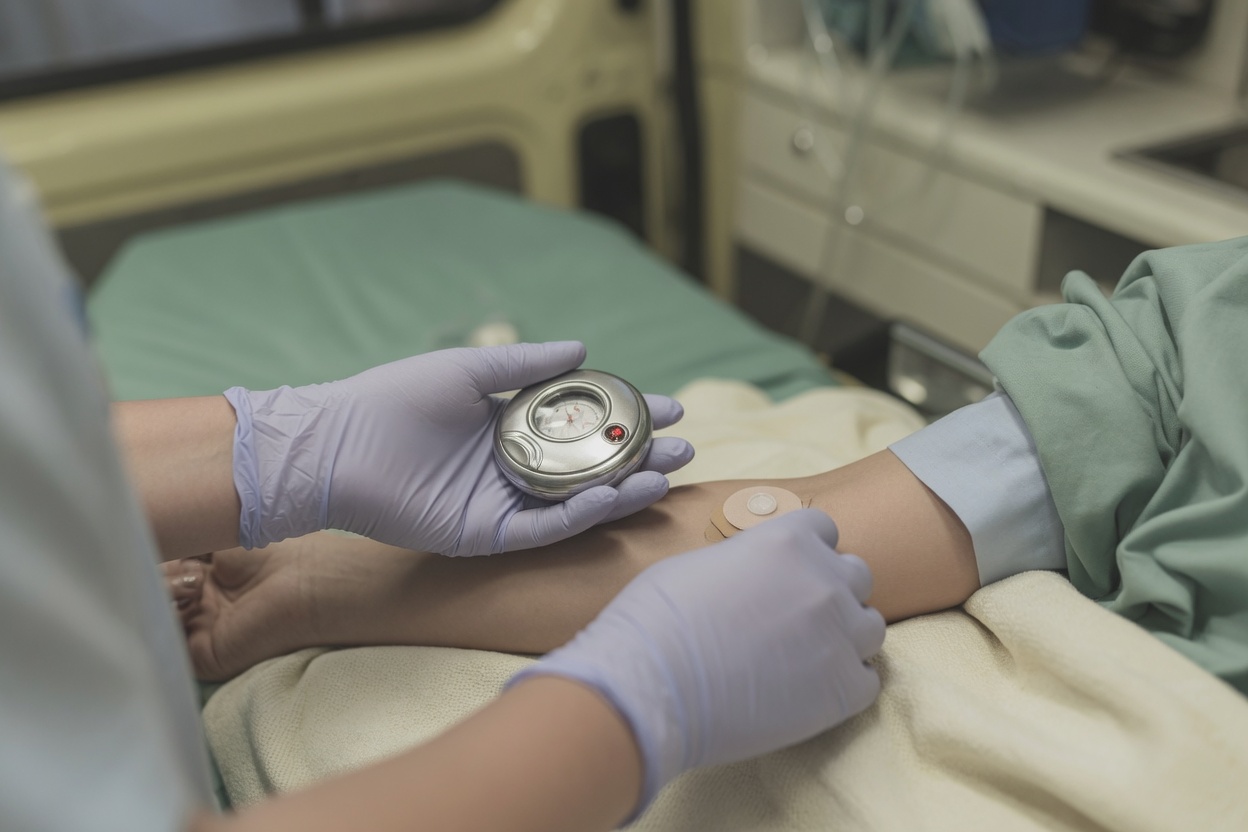
The deck names the rooms this is meant for: an emergency bay, an ambulance, a field setting, a home, or a clinic with no laboratory at all. An on-demand micro-draw path is drawn for the moments a drop of blood is still required, including coagulation checks. Those outputs are specified as calibrated estimates, the way a pulse oximeter reports a number with a known kind of error, not as a finished hospital assay.
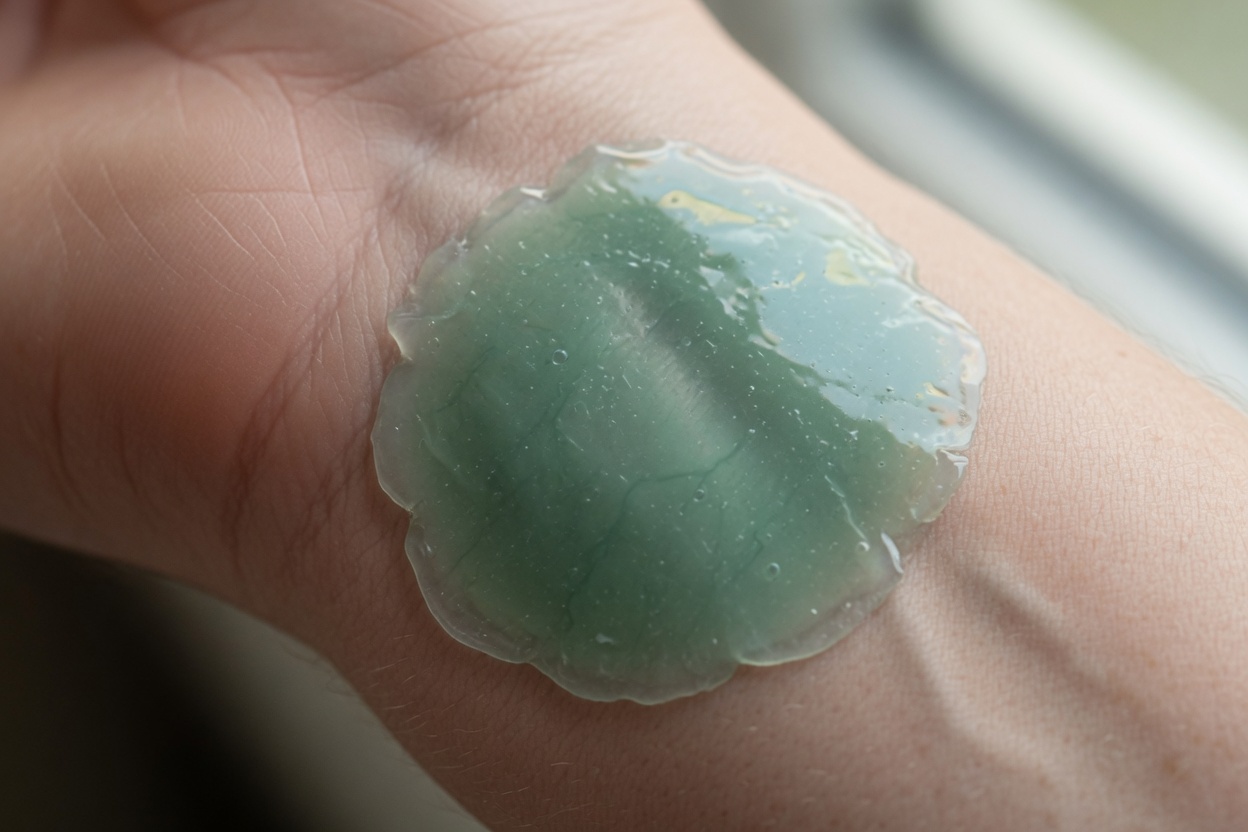
Still a development program
Docket EB-OBA-2026-001, Rev G, is patent pending. Regulatory targets in the package are a future Class II path and a waived-lab model. None of that is a clearance. Donors do not receive a device. Quantitative claims in the brief are design goals.
M&W Foundation is raising an opening development round of $100,000 through the projects app. That figure is the campaign target. The knowledge base does not publish a parts budget.